Purify APK: A Deep Dive into Battery Optimization and Its Risks
Is your Android phone draining battery faster than you can say "low power mode"? Purify APK promises a solution by aggressively managing background processes and removing bloatware (pre-installed apps you rarely use). But this powerful app comes with a significant caveat: it requires root access, introducing potential security risks. This review will help you decide if the benefits outweigh the dangers.
Features and Functionality: A Digital Spring Cleaning
Purify APK tackles battery drain by identifying and shutting down resource-intensive background apps. It also targets bloatware, those space-hogging apps pre-installed by manufacturers. The app's core functionality centers on aggressive background process management and bloatware removal. Think of it as a deep clean for your Android's operating system. However, remember that this powerful functionality necessitates rooting your device.
Performance Review: Subjective Improvements, Lacking Quantitative Data
Many users report significant battery life improvements and smoother performance after installing Purify APK. They've seen noticeable differences in daily usage. However, we currently lack independent, quantitative data to confirm these claims. While anecdotal evidence is promising, definitive benchmarks are necessary for a conclusive assessment. Has anyone actually measured the increase in battery life? What specific improvements have been observed in performance tests?
Risk Assessment: The Double-Edged Sword of Root Access
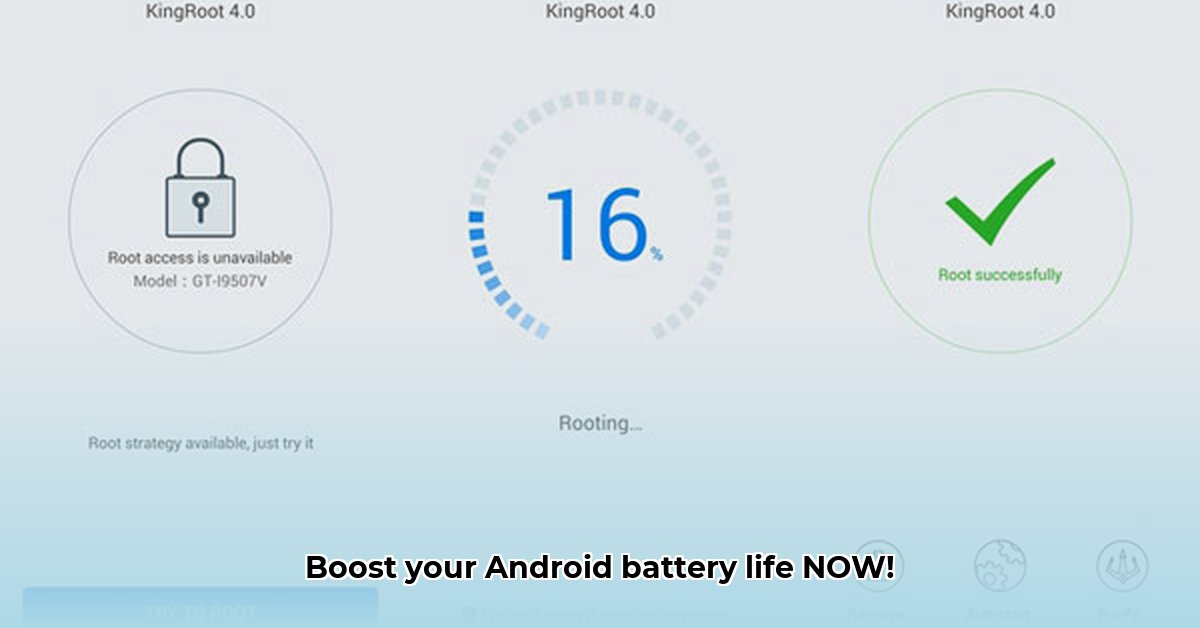
Purify APK's reliance on root access is a double-edged sword. While it grants the app extensive control over your system, enabling powerful optimizations, it also presents considerable security risks:
- Security Vulnerability: Rooting compromises your phone's security, potentially exposing your personal data to malicious apps. This is a significant concern.
- System Instability: Improper use can lead to system crashes or even render your phone unusable.
- Accidental App Deletion: The risk of accidentally deleting essential system apps is real, even with the app's whitelist feature.
User Guide: Navigating Purify APK Safely
If you're comfortable with the inherent risks, here's how to use Purify APK responsibly:
- Back Up Your Data: This is paramount. Before rooting or installing any app that modifies your system, back up everything important.
- Root Your Phone (Cautiously): Use a trusted and reputable rooting method. Thoroughly research your options.
- Install Purify APK (From Trusted Sources): Download only from verified sources to avoid malware.
- Create a Whitelist: Carefully select apps to exclude from Purify APK's optimization process. This prevents accidental deletion of crucial apps. What's the success rate of preventing accidental deletion?
- Monitor Performance Closely: Observe your battery life and overall system performance for any unusual behavior.
- Uninstall Immediately if Problems Occur: Don't hesitate to uninstall Purify APK if you encounter issues.
Safer Alternatives: Optimization Without the Risk
Many users understandably prefer to avoid rooting. Fortunately, numerous rootless battery optimization apps are available on the Google Play Store. While they may not offer the same level of control as Purify APK, they provide a significantly safer approach to improving battery life.
Conclusion: A Conditional Recommendation
Purify APK offers potentially significant battery life and performance improvements, based on user reports. However, the requirement for root access introduces substantial security risks. We strongly advise users to carefully weigh the benefits against the potential downsides before installing. If you're comfortable with the risks and take necessary precautions, Purify APK might be worth exploring. However, for users prioritizing safety and system stability, rootless alternatives are a far less risky option. Remember, always prioritize data security and the overall health of your device.
How to Safely Remove Bloatware on Android Without Root Access
Removing bloatware without rooting is possible but requires caution. While it presents fewer security risks than rooting, incorrect actions can lead to system instability. Two primary methods exist: using the Android Debug Bridge (ADB) command line or the Universal Android Debloater (UAD) graphical interface. Both methods require enabling USB debugging on your device. Remember to back up your data before proceeding.
⭐⭐⭐⭐☆ (4.8)
Download via Link 1
Download via Link 2
Last updated: Monday, May 05, 2025